



As someone who spends a substantial amount of time examining online slot mechanics and player data, I’ve developed a strong interest in how players interpret their gaming sessions https://pirate.eu.com/. The idea of interpreting „signs“ from slot results, particularly from a popular game like Pirate Slots, is a intriguing blend of psychology, probability, and personal belief. I want to investigate this concept not as a mystical guide, but by analyzing the common patterns and psychological triggers that drive players to see meaning in random outcomes. This isn’t about forecasting future spins; it’s about grasping the human need to find narrative in chance, a tendency as old as seafaring pirates looking for omens in the stars.
Final Thoughts: Savoring the Story, Honoring the Game

Reading signs from Pirate Slots results is a common and understandable behavior, bringing a layer of personal narrative to the gaming experience. Throughout this article, I’ve investigated the psychological roots of this, the common patterns players see, and the immutable reality of RNG technology. The key takeaway is to enjoy the rich pirate theme and the stories you build around your spins, but always distinguish that fun from your understanding of how the game works. By recognizing the design while honoring the randomness, you can experience Pirate Slots as a exciting form of entertainment, keeping your experience both pleasurable and rooted in sensible play.
Typical „Signs“ Gamers Mention in Pirate Slots
Through community forums and player feedback, I’ve gathered some of the most often mentioned interpretations. It’s essential to remember these are player perceptions, not indicators of the game’s algorithm. A frequent belief is that a period of small, frequent wins signals a „building“ phase before a larger payout. On the other hand, a long drought without any win is sometimes thought to mean a big bonus is „due.“ Others pay close attention to specific symbol behaviors, like a treasure chest symbol appearing repeatedly on the reel without triggering a bonus, which might be seen as the game „loading“ the feature.
- The „Warm-up“ Sequence: A series of low-value wins interpreted as the game preparing for a major payout.
- The „Teasing“ Reel: When a high-value symbol, like a wild pirate captain, stops just above or below the payline repeatedly.
- Bonus Audio Cues: Hearing a snippet of the bonus round music or sound effect on a non-bonus spin, regarded as a hint that the feature is close.
Responsible Play and Maintaining Perspective
My main focus in discussing topics like sign interpretation is guaranteeing it doesn’t affect a player’s behavior. Seeing „signs“ can sometimes cause chasing losses or thinking a win is guaranteed. I advocate for a perspective that enjoys the thematic fun of seeking patterns—much like savoring the storyline of a movie—while securely grounding decisions in responsible habits. This means treating any perceived sign as part of the entertainment, not as investment advice. The real „sign“ to look for is your own emotional state; if you feel frustrated or are playing beyond your limits, that’s a clear signal to take a break.
- Always focus on entertainment value over the expectation of winning.
- Use deposit limits and loss limits as tangible measures, not superstitions.
- Remember that time spent playing is a cost, and budget it like any other leisure activity.
- If you find yourself genuinely believing in patterns, step back and review the facts about RNGs.
The facts of Random Number Generators
To offer a measured, neutral perspective, I must anchor this discussion in the core technology: the Random Number Generator (RNG). Every modern online slot, including Pirate Slots, uses a certified RNG to establish the outcome of each spin. This system functions continuously, generating thousands of numbers per second. The moment you press ’spin,‘ the game takes the most recent number to decide the symbol combination. This means each spin is entirely independent, isolated, and uninfluenced by previous or future spins. The RNG has no memory, no mood, and no capacity to send „signs.“ What we perceive as a pattern is simply a random slice of a vast, non-sequential sequence.
Why Past Spins Don’t Predict Future Outcomes
This independence is the most critical concept to grasp. If a player experiences ten spins without a win, the probability of winning on the eleventh spin is mathematically unchanged from the first spin. The game does not „owe“ a win after a losing streak. The belief that it does is known as the gambler’s fallacy. Similarly, a win does not „reset“ the machine or make another win less likely in the short term. Viewing sessions through this lens helps separate the engaging fiction of pirate adventure from the mathematical reality of how the game functions.
Separating Between Superstition and Approach
While interpreting signs is a form of superstition, there are strategic approaches to playing slots that are rooted in reality. I differentiate these plainly to foster responsible play. Strategy entails understanding the game’s workings, such as its volatility, Return to Player (RTP) percentage, and bonus feature triggers. For example, understanding that Pirate Slots has a high-volatility model means you grasp that wins may be less common but potentially larger, which helps control expectations. Superstition, like looking for a specific „sign“ symbol before increasing your bet, has no basis in the game’s programming and can contribute to irrational decision-making.
- Strategy is: Establishing a budget and session time limit before you start.
- Superstition is: Believing that playing at a certain time of day produces better results.
- Strategy is: Reviewing the game’s paytable to learn symbol values and bonus rules.
- Superstition is: Believing that tapping the spin button twice makes a win more possible.
The impact of Game Themes and Plotlines
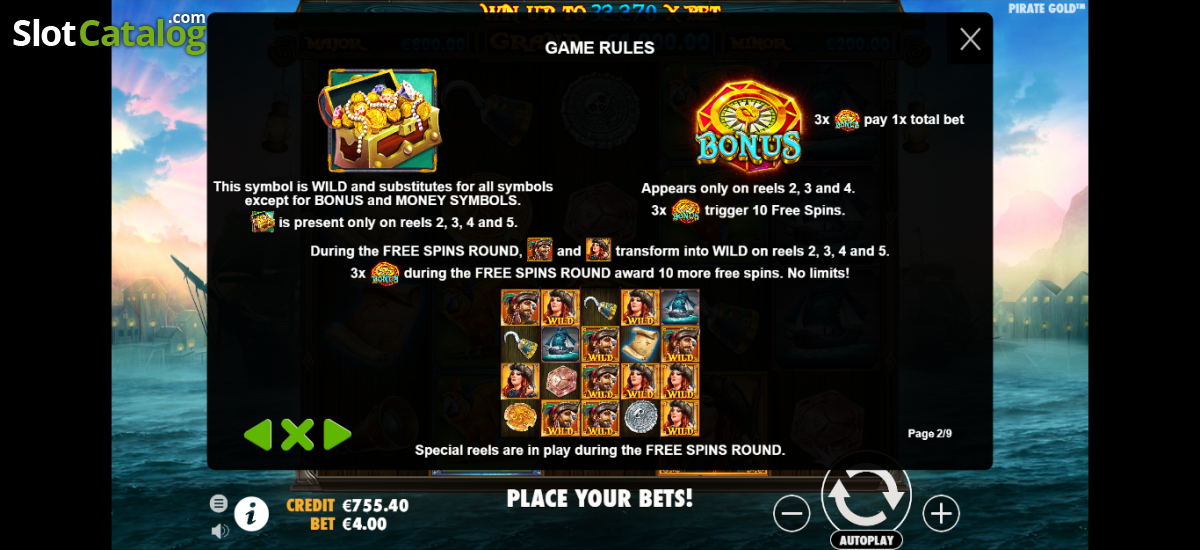
The buccaneer motif itself is a strong catalyst for sign interpretation. Pirate lore is full of omens, treasure maps, and hidden clues. Game developers expertly weave this narrative into the symbols, music, and bonus rounds. When you land a sequence of „map“ symbols leading to a „treasure chest“ scatter, it seems like a story unfolding. I see this as part of the game’s entertainment value—it creates immersion. However, it’s vital to consciously recognize this as a themed experience, not a communicative one. The game is presenting a pre-written pirate tale using random elements; it is not deciphering your luck or sending personalized messages through the reels.
How Immersion Influences Perception
This immersive quality directly affects how we perceive outcomes. A bonus round triggered by three parrot symbols feels more important and „meaningful“ than a simple „Free Spins“ text box because it matches the narrative. The subsequent adventure-style bonus game, where you might choose islands to plunder, reinforces the idea of a skill-based or fate-driven journey. I appreciate this design artistry, but as an analyst, I observe that the underlying trigger was still a random RNG outcome. The narrative is a reward in itself, boosting the enjoyment but not altering the fundamental randomness of the initiation.
The Meaning by „Signs“ in Slot Findings
When speaking about signs in the context of Pirate Slots results, I refer to the personal meanings players attribute to certain game events. This is not a formal system, but a subjective experience where a near-miss, a certain symbol sequence, or even the occurrence of a bonus round appears meaningful. The human brain is designed to detect patterns, even in their absence—a cognitive bias known as apophenia. In a game abundant in pirate-themed icons like treasure chests, parrots, and maps, it’s easy to construct a story. For instance, landing two scatter symbols right before the bonus may be interpreted as a „tease“ or a sign that the feature is „coming soon,“ regardless of each spin being an independent event.
The Mental Process Behind Seeking Patterns
The urge to find signs is deeply psychological. A near-miss, where symbols nearly line up for a big win, triggers similar neural pathways as an actual win, generating a feeling of „almost there.“ This can be misinterpreted as a sign of imminent success, prompting continued play. The game’s audiovisual feedback—celebratory sounds for small wins, animated sequences—are designed to create positive reinforcement loops. When examining session data, I see how these designed moments are commonly the ones players remember as „signs,“ because they are prominent emotionally from the more common, non-eventful spins.