



As the excitement of UK horse racing captivates millions, there inevitably comes a time when the tracks go silent and the horses take a well-deserved break. For enthusiasts of the sport, this off-season can feel like a long wait. However, it’s during this period that many important developments occur within the industry, ensuring that racing will return stronger than ever. For more insights and updates, visit UK Horse Racing Not On Gamstop www.pavilion-live.co.uk.
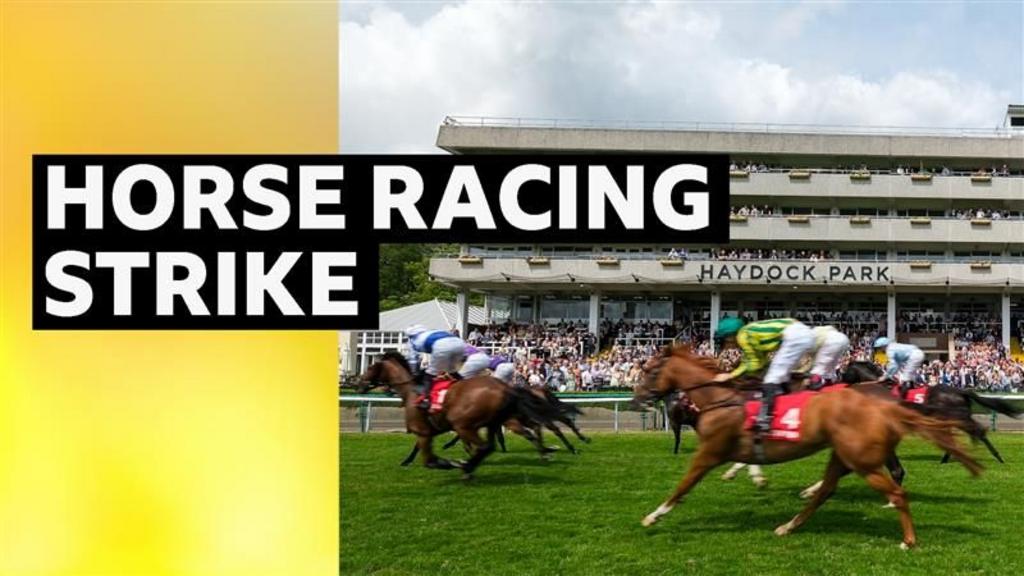
The Off-Season: What It Means for UK Horse Racing
The off-season in UK horse racing typically runs from November to late March, though this can vary slightly depending on specific races and events. This time frame is crucial for equine athletes as it allows them to rest, recover, and prepare for the upcoming racing season. Without regular racing events, the industry transforms and adapts to maintain engagement with fans and participants alike.
Training and Rehabilitation
During the off-season, trainers focus on the rehabilitation of their horses. This involves not just physical recovery but also tuning their skills and conditioning for the next season. The off-season is an opportunity to build strength, hone skills, and address any injuries that may have surfaced during the racing season. Trainers often use a variety of techniques, including longer trails, gymnastic exercises, and swimming, to keep the horses in peak physical condition without the stresses of racing.
Moreover, this is a time for assessment and planning. Trainers analyze a horse’s past performances, evaluating what worked and what requires adjustment. This might involve changing diets, modifying training regimens, or even adjusting the horses’ overall strategies based on their performance data and health diagnostics. In some cases, trainers may decide to retire certain horses, ensuring they have a comfortable life after their racing careers.

Events Beyond Racing
Although there are no major horse races during the off-season, various activities take place to keep fans engaged. One popular event is the preparation for the Cheltenham Festival, which usually occurs in March. This prestigious festival is not just a spectacle of racing; it’s also steeped in tradition and social culture. Leading horse owners, trainers, and jockeys partake in numerous events leading up to Cheltenham, including charity races and promotional activities.
Additionally, educational events address equine health and welfare, training techniques, and veterinary advancements. These gatherings often feature seminars led by industry experts, thus fostering a culture of learning and improvement within the racing community.
Fan Engagement and Media Coverage
During the off-season, UK horse racing organizations take advantage of digital platforms to keep fans engaged. Online betting companies and racing networks provide in-depth analysis, interviews, and documentaries about horses and jockeys, maintaining interest and excitement for the upcoming season. Social media platforms become vital for direct interaction between fans, trainers, and owners, which enhances the overall community spirit associated with horse racing.
Many racing companies also produce newsletters and podcasts that cover relevant topics during the off-season. Discussions may revolve around the influence of weather on racing, breeding news, and even profiles on up-and-coming horses. Such content not only builds anticipation for the racing season but also educates fans about the sport, instilling loyalty and interest.
Breeding Season
The off-season serves as a critical time for horse breeding, which often takes place in the early spring. This period is when the most prestigious mares are bred, aiming for elite bloodlines that can produce champion racehorses. This process involves significant planning, as breeders carefully select stallions based on various criteria such as pedigree, racing history, and genetic compatibility.
Stouds and breeding farms organize events and tours for potential buyers and enthusiasts, showcasing the latest foals and offering insights into the breeding process. These events not only foster relationships within the equestrian community but also benefit the industry by sharing knowledge and value among participants.
The Future of UK Horse Racing
Looking ahead, various challenges remain within the industry. The impact of the COVID-19 pandemic has changed the racing landscape, emphasizing the need for adaptability. The lessons learned during periods with no racing hold valuable insights that will be beneficial in the future. As the industry finds a balance between maintaining traditional aspects of the sport and embracing innovative practices, it creates an exciting pathway that keeps the racing community vibrant and engaged.
In conclusion, while the off-season may mark a hiatus from the excitement of UK horse racing, it is by no means a stagnant period. Through training, fan engagement, and strategic planning, the industry ensures that it is prepared to return to the tracks when the time is right. Racing enthusiasts can take this time to deepen their understanding of the sport and look forward to a thrilling season ahead filled with the thrill of competition.